
The Landscape Institute (LI) recently published new research into the UK’s landscape workforce and skills, warning that urgent action is needed to strengthen the talent pipeline, raise the profession’s profile and ensure the country can deliver climate-resilient, high-quality development.

Commissioned research undertaken by Metro Dynamics for the LI provides a comprehensive analysis of both the landscape sector and the skills and education pipeline for landscape architects. The findings paint a picture of a sector that is growing quickly and delivering significant value to the UK economy, yet facing deep structural pressures that could limit its future impact.
The study confirms that the landscape economy is expanding across the sector, particularly in build, planning, and research. However, there are warning signs beneath this growth: a declining number of businesses in professional sub-sectors such as design and conservation, notable skills shortages, and increasing pressure on the education pipeline that trains the next generation of professionals.
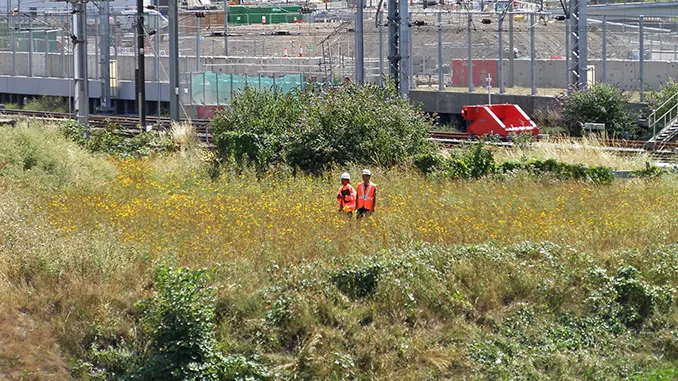
The research emphasizes the crucial role of landscape professionals in creating sustainable, future-oriented environments. The LI is advocating for a greater national emphasis on a landscape-led development approach, integrating landscape expertise into design and planning from the beginning of projects. This strategy fosters resilient, lively places where communities, environments, and nature flourish, while also delivering lasting economic, environmental, and social benefits.
With land demands rising in the UK from housing, infrastructure, climate adaptation, and nature recovery, the LI urges early landscape professional engagement to maximize benefits, improve health, strengthen communities, and build climate resilience. However, the profession faces strain, with employers struggling to recruit graduates skilled in technical and digital areas. Universities also face enrolment and financial pressures, widening the gap between education and employment.
A key issue is the fragility of the domestic talent pipeline. The industry depends greatly on international graduates; without increased domestic recruitment, its long-term strength could be compromised. The study also highlights that, although landscape architecture is crucial for climate resilience, placemaking, and well-being, public awareness of the profession stays limited.
The landscape profession now stands at a pivotal moment. Demand for landscape expertise is growing rapidly as the UK seeks to deliver net-zero targets, build over a million new homes and restore nature. Yet without sustained investment in education, workforce development and professional collaboration, the sector risks being unable either to meet that demand or to deliver the quality that people and nature deserve.that people and nature deserve.
Carolin Göhler FLI, President of the Landscape Institute
Flexible and inclusive entry routes are essential to widening participation and strengthening the workforce. However, rising tuition fees and living costs may deter entry into higher education, compounded by lower acceptance rates for applicants from socioeconomically disadvantaged areas. This is further exacerbated by limited awareness of careers in the sector. The Landscape Institute is pursuing multiple channels and collaborative opportunities to raise awareness of the profession and recognises the need to expand pathways into the sector, including promoting apprenticeships and work-based learning.
The research also emphasises the fragile capacity within public sector and heritage organisations, where recruitment difficulties and low salaries are creating critical gaps during a period of increasing demand for expertise in conservation, planning, and climate adaptation.
The funding for this project was provided by BALI and Historic England.
Be the first to comment